
What Does a HIPAA-Compliant Shredding Program Look Like?
Healthcare organizations handle protected health information (PHI) throughout its lifecycle—from creation and daily use to storage and final disposal. A quality shredding program supports that final stage by combining clear policies, secure collection, trained employees, controlled handling, effective destruction, and reliable documentation.
HIPAA does not prescribe one universal shredding method. The right program is based on the organization’s circumstances and risk, while applying reasonable safeguards that prevent unauthorized access or disclosure. That flexibility has also created several persistent misconceptions.
What HIPAA Requires at Disposal
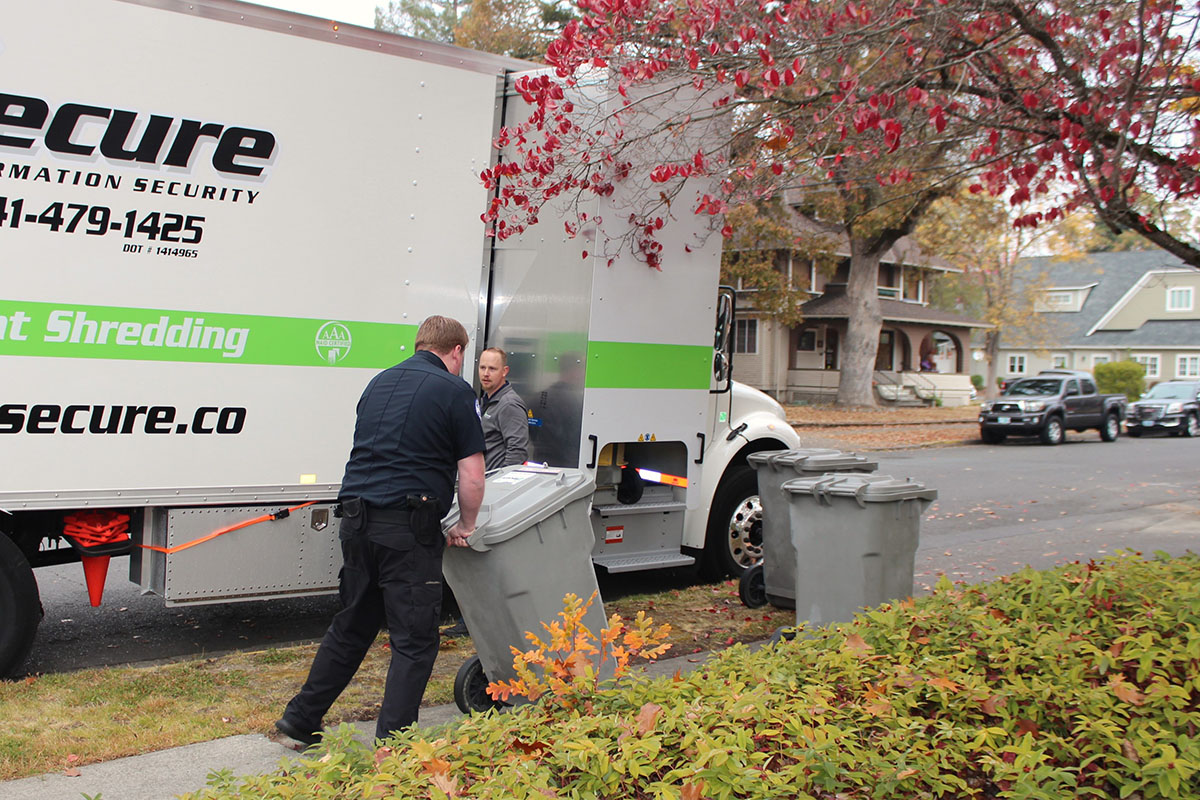
The HIPAA Privacy Rule requires covered entities to apply appropriate administrative, technical, and physical safeguards to PHI, including during disposal. HHS says paper records may be shredded, pulped, burned, or pulverized so the information is essentially unreadable, indecipherable, and cannot be reconstructed.
The Security Rule applies specifically to electronic PHI. It requires policies and procedures for the final disposition of electronic PHI and the hardware or media that stores it. This makes hard-drive destruction and IT asset disposition an important companion to a paper shredding program.
A practical program should include:
- A written retention and destruction policy
- Defined responsibility for approving destruction
- Workforce training on secure disposal
- Locked collection containers where appropriate
- A controlled chain of custody
- A qualified destruction provider and Business Associate Agreement when required
- Service records and Certificates of Destruction
- Periodic review of the program and vendor
Get Started Today with iSecure's Shredding Program!
Misconception 1: Shredding Has to Be On-Site
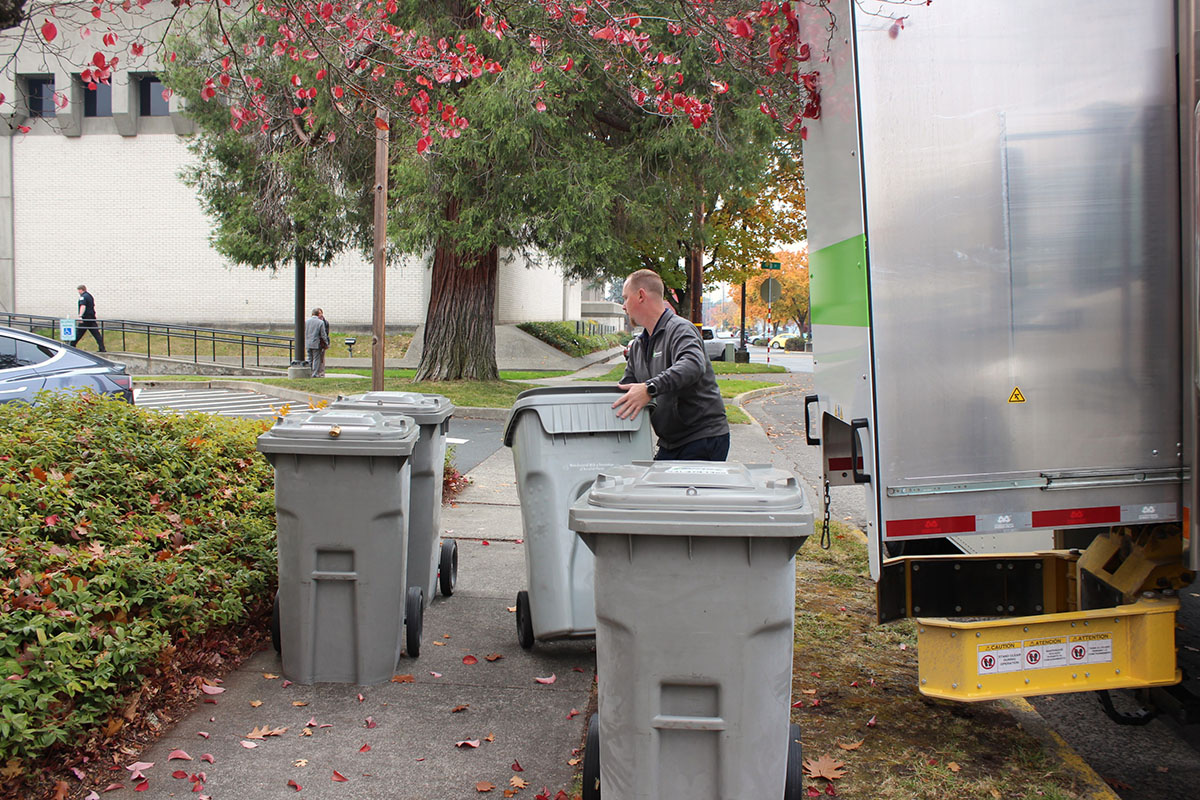
HIPAA does not require documents to be destroyed at the covered entity’s location. HHS expressly allows a covered entity to hire a business associate to collect paper records or electronic media and destroy them elsewhere, provided the vendor is contractually required to safeguard the PHI through disposal.
On-site shredding can be a strong option because it shortens the custody path and allows destruction before the material leaves the property. Secure off-site destruction can also support HIPAA obligations when records are protected during collection, transportation, storage, and destruction. The decision should follow the organization’s risk analysis, policies, volume, location, and operational needs.
Misconception 2: Shredding Has to Be Witnessed
HIPAA does not require a covered entity’s employee to watch every document being shredded. Witnessed destruction may be preferred by an organization, required by its internal policy, or useful for particularly sensitive projects—but it is not a universal HIPAA requirement.
What matters is whether the process reasonably safeguards PHI. A covered entity should know who handles the material, how custody is controlled, where destruction occurs, and how completion is verified. Organizations that want to observe destruction can select on-site document shredding, but a documented, controlled off-site process can also be appropriate.
Misconception 3: Documenting the Process Is Optional
The misconception contains a grain of truth: HIPAA does not specifically say that every shredding job must produce a Certificate of Destruction. But that does not make documentation optional as a program discipline.
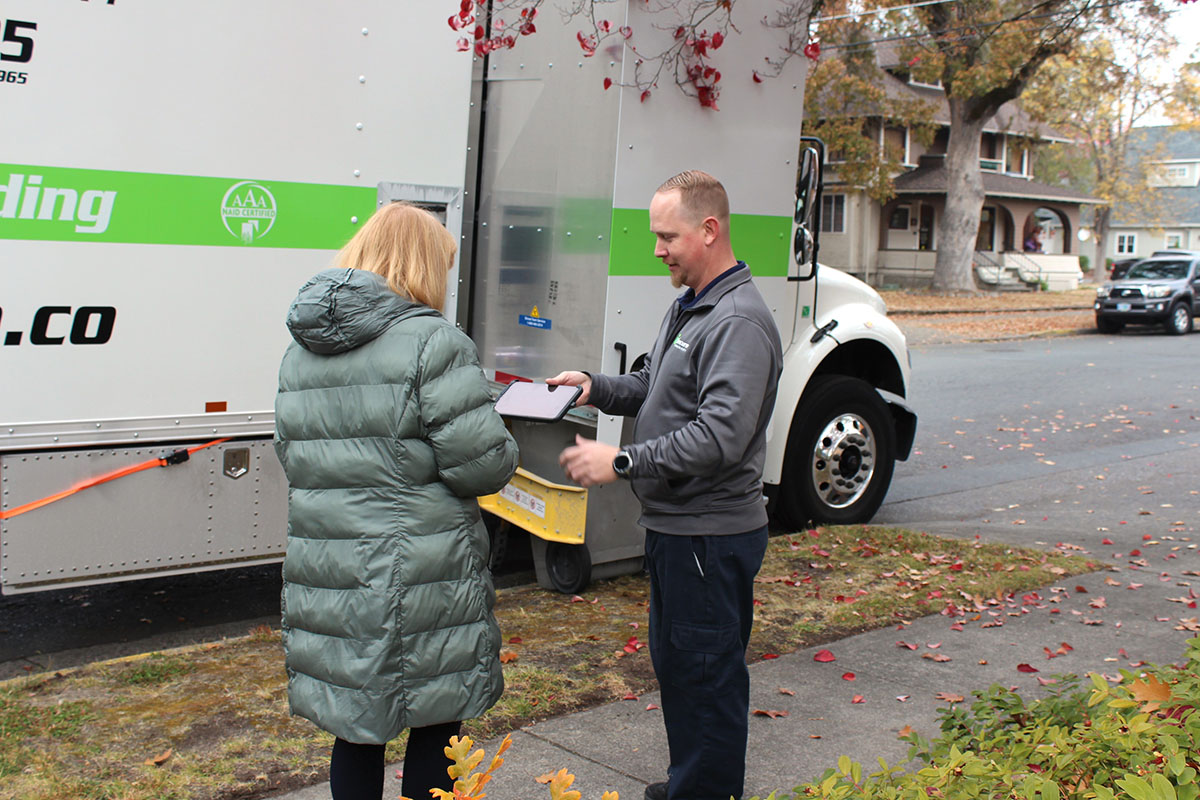
The Privacy and Security Rules require covered entities to maintain applicable written policies and procedures, and HHS emphasizes training employees to follow disposal procedures. When a vendor is used as a business associate, the relationship must be governed by an appropriate agreement. Service logs, transfer records, and Certificates of Destruction help show that the organization followed its policy and that scheduled destruction occurred.
A certificate alone does not establish HIPAA compliance. It becomes meaningful when it is part of a consistent system linking policy, training, custody, destruction, and vendor oversight.
Build a Program You Can Explain and Verify
A strong shredding program is not defined solely by where destruction happens or whether someone watches it. It is defined by repeatable safeguards and evidence that the process works.
iSecure provides secure document destruction, locked collection containers, chain-of-custody controls, and digital Certificates of Destruction for healthcare organizations across its Oregon and Northern California service area.
To review options for a one-time cleanout or recurring shredding program:
*This article provides general information and is not legal advice.*

About the Author & iSecure Inc. Chris Isabell writes from iSecure, a certified information security company proudly based in Grants Pass, Oregon, since 2005. iSecure specializes in providing document destruction, hard drive destruction, IT asset disposal, recycling, and records management services to organizations throughout Oregon and northern California.