
Most companies retire hardware the same way they clean a closet: pile it up, push it to a corner, and deal with it later. Laptops from offboarded employees. Servers from a refresh that finished months ago. A stack of desktops destined for “recycling someday.” The pile grows until someone needs the space, and then the whole lot gets hauled away as e-waste recycling—or left sitting with drives intact.
That approach solves a storage problem. It does not solve a data problem.
IT asset disposition—often shortened to ITAD—is the disciplined alternative. Secure ITAD treats retired computers, drives, and related electronics as both a compliance obligation and an operational process: inventory what you have, protect the data on it, recover value where it exists, destroy what should not leave your control readable, and document every step. For Oregon and Northern California organizations already thinking about document shredding and hard drive destruction, ITAD is how those pieces fit into one program instead of a series of one-off decisions.
iSecure Inc. provides ITAD services from its Grants Pass base, with routes covering much of Oregon and Northern California.
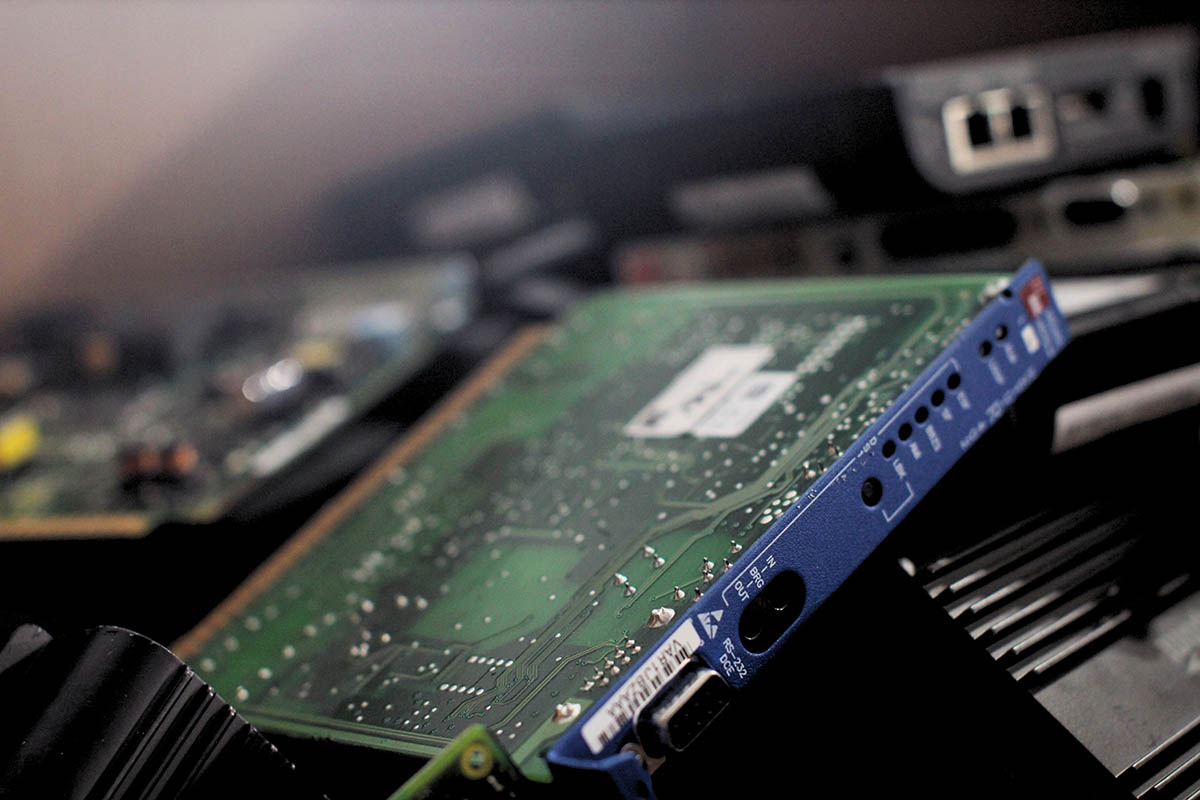
The Problem: Hardware Leaves Before the Plan Does
Technology refresh cycles, office moves, mergers, and data center decommissioning all create the same moment: equipment that once lived on a purchase order now needs an exit path. Without a plan, teams improvise—quick formats before donation, a recycler pickup with no questions about drives, or a closet of unlabeled media that sits for years.
None of these habits are rare. They are also where residual risk hides. Deleting files does not prove data is gone. A standard reformat often rebuilds a file table without overwriting every sector. Solid-state drives add wear-leveling that makes casual overwrites unreliable. And business computer disposal that skips data handling turns an environmental task into an information-security gap.
If the equipment ever held customer records, employee files, financial data, student information, or credentials, “we recycled the computers” is not the end of the story. Auditors and insurers care about the information path—not just landfill diversion. That is one reason it pays to treat your destruction provider as a compliance partner, not just a vendor.
Get Started Today with iSecure ITAD Services!
What Proper ITAD Actually Covers
People sometimes treat ITAD as a synonym for recycling. It is broader. A complete IT asset disposition program usually includes four related jobs.
1. Inventory and chain of custody
You cannot defend what you cannot name. Secure ITAD starts with identifying assets—serial numbers, device types, quantities—and recording who held them at each handoff. Shorter chains of custody are easier to explain when someone asks what happened to a specific laptop or drive.
2. Data sanitization or certified destruction
This is the security core. Options include verified sanitization (for equipment you intend to redeploy) or physical destruction (for media that should never be readable again). Guidance such as NIST SP 800-88 describes sanitization levels from clear and purge through destroy. For many retired drives—especially failed media, unknown contents, or devices leaving your organization—physical destruction with a Certificate of Destruction is the more defensible outcome.
3. IT asset recovery
Not every device should go straight to shredding. IT asset recovery looks for residual value: machines that can be wiped, refurbished, and redeployed or resold under controlled conditions. Recovery never replaces data protection; it follows it. If reuse value is low, or if you cannot verify what lived on the device, destruction is often cheaper than guessing.
4. Responsible e-waste recycling
After the data question is settled, remaining materials should enter a managed recycling stream. Downstream partners that meet rigorous standards (such as R2v3, e-Stewards, or ISO 14001 where applicable) handle metals and plastics so e-waste recycling is more than a vague promise. Recycling is an environmental process. Data destruction is a security process. Good ITAD keeps both—and documents both.
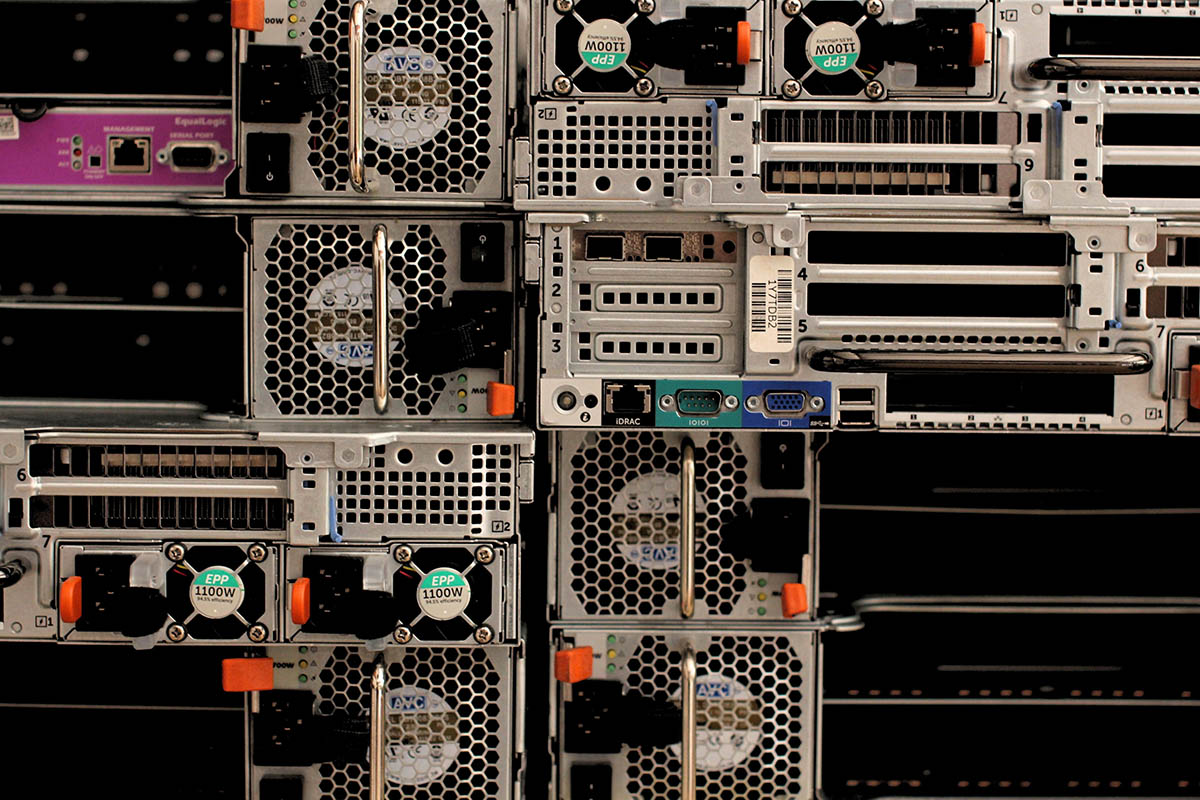
Why ITAD Matters
Compliance. Organizations covered by HIPAA, GLBA, FACTA, FERPA, or contract-driven security rules are often expected to show how data-bearing media was handled at end of life. A dated Certificate of Destruction paired with serial-number reporting converts a vague claim into evidence—whether you are clearing a closet or completing a larger data center decommissioning project. (Healthcare teams: see how healthcare companies build compliant data destruction programs.)
Residual value without residual risk. Throw away usable equipment and you waste money. Let readable drives leave the building and you waste trust. Secure ITAD separates those outcomes.
Environmental responsibility that does not skip security. Oregon businesses rightly care about diversion from landfills. The mistake is treating a collection event as automatic data protection. Ask what happens to the drives specifically, and whether you receive anything in writing.
Operational calm. A scheduled ITAD habit—tied to refresh cycles, offboarding, moves, or the same route that already handles shredding—beats emergency cleanouts.
DIY Disposal Compared With Secure ITAD
| Factor | Ad hoc disposal | Secure ITAD services |
| Data outcome | Often unverified | Sanitization or physical destruction with defined methods |
| Documentation | Rarely exists | Certificate of Destruction, serial inventory, transfer records |
| Asset tracking | Spreadsheet guesswork | Itemized inventory before processing |
| Value recovery | Informal resale or donation | Controlled IT asset recovery after data handling |
| Downstream materials | Unknown | Managed e-waste recycling partners |
| Audit position | Hard to defend | Dated records tied to specific assets |
When to Call for ITAD Help
Consider formal ITAD services when you are refreshing employee fleets, closing or relocating an office, decommissioning servers or a small data room, offboarding staff who leave devices behind, clearing unlabeled drives or copiers with storage, preparing for an audit with no end-of-life paper trail, or already scheduling document destruction and realizing drives should leave on the same visit.
Hard drives get the headlines, but the list is wider: desktops, laptops, servers, networking gear, phones, tablets, tapes, optical media, multifunction copiers with storage, and USB drives. If it stored data or credentials, put it on the list.
How iSecure Approaches Secure ITAD
iSecure’s program follows the same principles as our hard drive destruction and document shredding work: short chains of custody, clear reporting, and options that fit your site.
On-site path. Where appropriate, destruction can happen at your location so staff can witness the process. Nothing data-bearing needs to leave your address intact.
Controlled off-site path. When on-site processing is not practical, a transfer of custody document is issued at pickup and processing is completed at our secure facility in Grants Pass.
Either way, hard-drive serial numbers are scanned before destruction. Customers receive a Certificate of Destruction with a serial number report, and reporting can include an ITAD transfer record. Service is available as a one-time project, on-call work, or a routine schedule. Jobs of any size are welcome.
For organizations already on our Southern Oregon and Northern California shredding routes—including Medford, Roseburg, Eugene, Bend, and Yreka—media and retired computers can often ride the same stop: papers and drives in one visit.
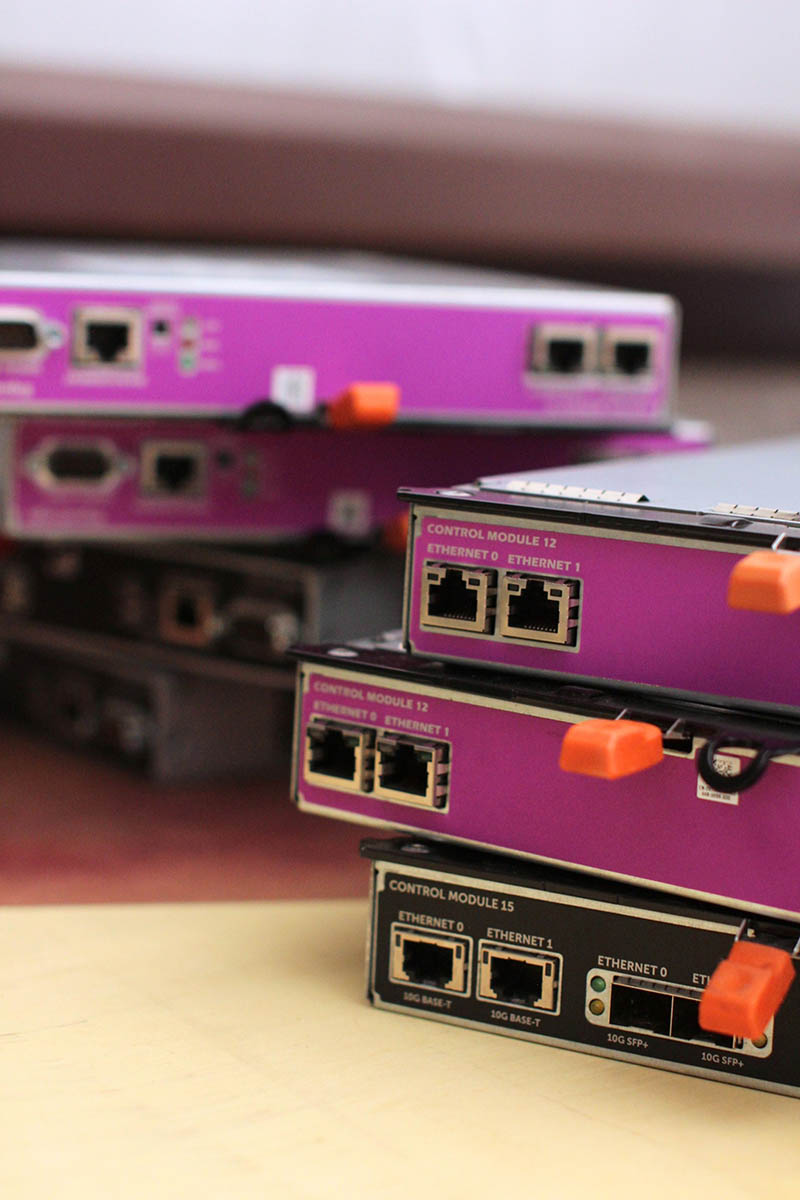
What Affects ITAD Cost
Pricing moves with quantity, whether whole systems need drive removal, on-site versus off-site processing, location relative to an existing route, reporting detail, site access, and whether the work is one-time or recurring. A short conversation about quantity and location produces a real quote quickly.
Frequently Asked Questions
Ready to Retire Equipment the Defensible Way?
Whether it is one drive from a failed laptop or a pallet from a technology refresh, iSecure can capture serial numbers, destroy data-bearing media, document the outcome, and route remaining materials into responsible recycling.
Ask about pairing ITAD with your existing shredding schedule if you are already on our route.
Call (541) 479-1425 or

About the Author & iSecure Inc. Chris Isabell writes from iSecure, a certified information security company proudly based in Grants Pass, Oregon, since 2005. iSecure specializes in providing document destruction, hard drive destruction, IT asset disposal, recycling, and records management services to organizations throughout Oregon and northern California.